#MissionMonday – Office of Public Witness

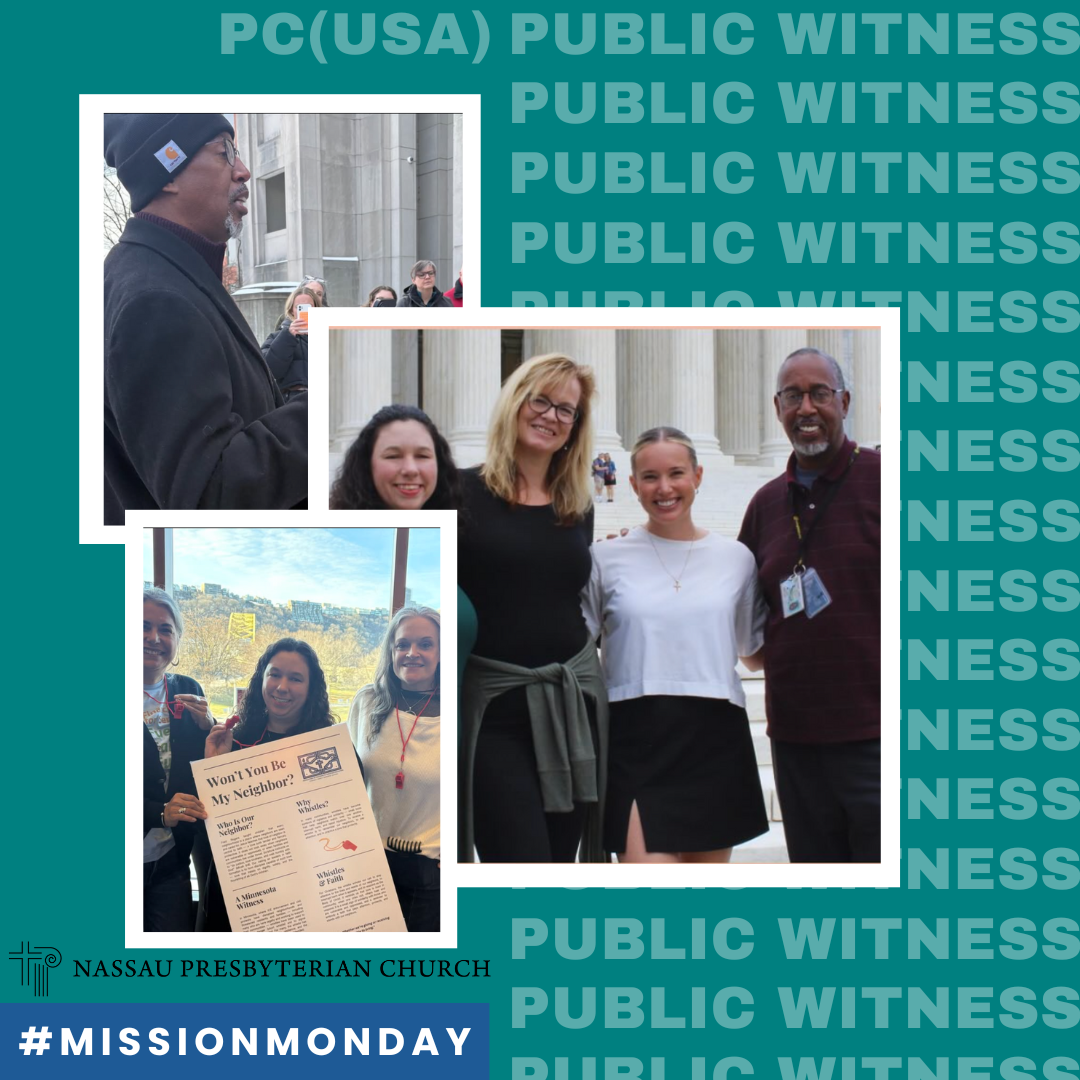
Did you know that our denomination, the Presbyterian Church (USA), has an office dedicated to witnessing to our faith in the public sphere? The PC(USA) Office of Public Witness (OPW) leads collective action and advocacy on Capitol Hill and all over the country – to paraphrase a hymn, using the faith we’ve found to reshape the world around.

Recent efforts have included a national film study on the eviction crisis and a walkout in solidarity with immigrant and refugee neighbors.

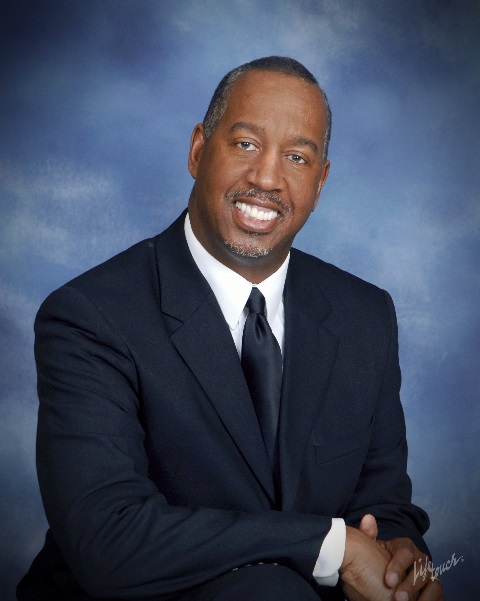
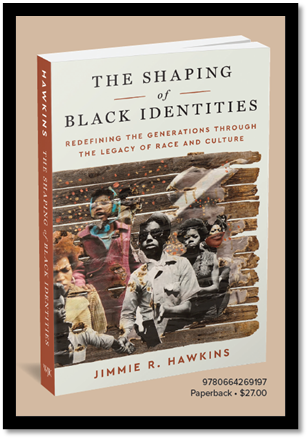
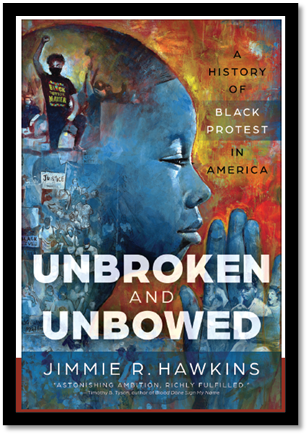
Nassau is proud to support the OPW’s work and witness, and we are excited that on April 19, in partnership with Witherspoon Street Presbyterian Church, Rev. Jimmie Hawkins of OPW will join us for an educational event after worship. Stay tuned for more details!

You can learn more about this denominational effort on their website (button below), where you can also sign up to receive action alerts as part of their mobilization efforts.


Learn More & Sign Up


Follow PCUSA OPW online:

#MissionMonday – LALDEF

Latin American Legal Defense and Education Fund

Scripture calls us to welcome the stranger among us (Matthew 25:43).

Nassau Presbyterian Church is proud to support the work of the Latin American Legal Defense and Education Fund (LALDEF), whose Casa Bienvenida program provides vital legal services, education, advocacy, and community support for immigrants in our region. Through accompaniment, training, and legal guidance, LALDEF works to ensure that our neighbors are treated with dignity and justice.

If you are looking for a meaningful way to live out your faith by loving your neighbor and welcoming the stranger, we invite you to learn more about LALDEF’s work and consider supporting their mission.


Learn More & Donate Online


Follow LALDEF online:

Abiding in God’s Tent

Psalm 15
February 1
David A. Davis
Jump to audio


Lord, who may abide in your tent?
Who may dwell on your holy hill?

Those who walk blamelessly and do what is right
and speak the truth from their heart;
who do not slander with their tongue
and do no evil to their friends
nor heap shame upon their neighbors;
in whose eyes the wicked are despised
but who honor those who fear the Lord;
who stand by their oath even to their hurt;
who do not lend money at interest
and do not take a bribe against the innocent.

Those who do these things shall never be moved.

Live free of blame. Do what is right. Speak the truth sincerely. Do no damage with your words. Harm neither friend nor neighbor. Call out wickedness. Honor those who honor God with their lives. Keep your word even when it hurts. Don’t take advantage of others to make money. Live like this and you won’t stumble.

That is the psalmist’s answer to the question: “who may abide in your tent? Who may dwell on your holy hill?” Who can live in your tent? Who can dwell on your holy mountain, Lord?  Eugene Peterson poses the leading question of Psalm 15 like this: “God, who gets invited to dinner at your place? How do we get on your guest list?” But Peterson’ cozy paraphrase misses the reference to the holiest of places. God’s tent. The Lord’s holy hill. The tent is reference to the traveling tabernacle housing the ark of the covenant. The holy hill is Jerusalem and the temple. The holiest of places. Places made holy by the presence of God. Abiding in God’s tent. As one scholar described these holiest of places; “it is the place where God comes to dwell with God’s people and the place where God’s people come to dwell with God.”  Who can abide, who can dwell in the holiest places, the holiest moments with you, Lord?’

Those who walk blamelessly and do what is right
and speak the truth from their heart;
who do not slander with their tongue
and do no evil to their friends
nor heap shame upon their neighbors;
in whose eyes the wicked are despised
but who honor those who fear the Lord;
who stand by their oath even to their hurt;
who do not lend money at interest
and do not take a bribe against the innocent.

Those who do these things shall never be moved.

Interestingly, the same scholar I just quoted digs in the Hebrew verbs, “to dwell” and “to abide.’ They make the argument that the verbs and the tense used in the Hebrew connote a brief stay; a lack of duration to being in the tent, to being on the holy hill. There was no mention of what that grammatical observation might mean. What the take away might be of the ancient language indicating what the writer describes as “remaining in a place for a short period of time.”

I have only been inside the lobby of The Graduate hotel down the block a few times since it opened. Some of you know that the bar and restaurant are to the right as you enter from Chambers Street. To the right is a beautiful lobby area designed to look like a library. A beautiful library with tons of books on shelves, big leather chairs, and a long library table that stretches the length of the room. Each time I have been there that long table is full of students studying on their laptops with headphones or earbuds and their own water bottle there on the table. Students working there for the long haul, some for the day, others perhaps for the night. It is either a warm policy of hospitality to the community or an unwise or anticipated business model. I would imagine the room was designed and intended for briefer stays.

Maybe the implication of the short stay in the holy place is less about duration and more about a vitality, a freshness, an active, day in, day out, each moment experience between God and God’s people. You don’t go to the tent to rest on the laurels of your piety. You don’t experience the holy hill as a place to linger apart from the world where God has sent you to serve. As one writer observed, perhaps Psalm 15 is less about a moral test for the priests who can enter the tabernacle or the temple and more about the “longing for the kind of community the psalm describes and the kind of God who would be in the company of such people”.

Lord, who may abide in your tent?
Who may dwell on your holy hill?

Those who walk blamelessly and do what is right
and speak the truth from their heart;
who do not slander with their tongue
and do no evil to their friends
nor heap shame upon their neighbors;
in whose eyes the wicked are despised
but who honor those who fear the Lord;
who stand by their oath even to their hurt;
who do not lend money at interest
and do not take a bribe against the innocent.

Those who do these things shall never be moved.

Old Testament Professor Beth Tanner, is a graduate of Princeton Seminary and on the faculty at New Brunswick Seminary. In her book The Psalms for Today (2008), she references the use of the psalms during the Reformation and tells of something I never. Dr. Tanner points out that the psalms were song in public during the Reformation. Songs of praise sung in public as songs of protest. And in their singing, Tanner suggests, the psalms became prayers for strength and for seeking God’s presence.

I first heard of “Singing Resistance” in Minneapolis. It began with small numbers singing songs of protest in the frigid streets of Minneapolis. It has grown into a movement. Andrew and Len Scales shared with me that Slatz Toole is a leader in that movement. Slatz was nurtured in faith through the Breaking Bread community. I watched a video of a Methodist Church full of 1,5000 singing and lighting candles. Prayers for strength and for seeking God’s presence.

I can’t tell you how many people sent me a link to the Ezra Klein Podcast with James Talarico. Family members, church members, neighbors, colleagues near and far. Talarico is running for office in Texas. He was raised in the St. Andrews Presbyterian Church in Austin and is a seminary student at Austin Presbyterian Seminary. His popularity has grown, in part, because of his willingness to talk about his own faith and his willingness to challenge the Christian right. The interview reminds me of our January inter-generational series on sharing faith stories. It was Talarico’s faith story including his impressive knowledge of scripture. At one point in the podcast Ezra Klein asks James Talarico about his faith and his progressive views on being pro-choice and for full inclusion of the queer community. His answer to that question alone is worth the listen. He criticizes both the obsession and the reductionism of the two issues as it relates to the gospel. He concludes by saying there are over 3,000 references in the Old and New Testament to economic justice and yet the story is as old as time, he says. “The powerful and those in control pervert religion and use it make more money and to control people.”

Lord, who may abide in your tent?
Who may dwell on your holy hill?

Those who walk blamelessly and do what is right
and speak the truth from their heart;
who do not slander with their tongue
and do no evil to their friends
nor heap shame upon their neighbors;
in whose eyes the wicked are despised
but who honor those who fear the Lord;
who stand by their oath even to their hurt;
who do not lend money at interest
and do not take a bribe against the innocent.

Those who do these things shall never be moved.

“The place where God comes to dwell with God’s people and the place where God’s people come to dwell with God.” That sounds a lot like the Lord’s Table and the promised real presence of Christ here with us as we gather around. But we don’t stay long, do we? Here at the Table where we eat, drink, sing, and pray. Christ meets us here at Table made holy not just by his presence. But by his promise. His promise that he is with us out there too.

Come to the table this morning longing for the kind of community the psalm describes and be nurtured by the grace of the of  Jesus Christ to who longs be in the company of the people the psalm describes. Not just here today. But Monday and Tuesday and Wednesday and Thursday and Friday and Saturday.  Nurtured for faith in here. Doing faith out there.


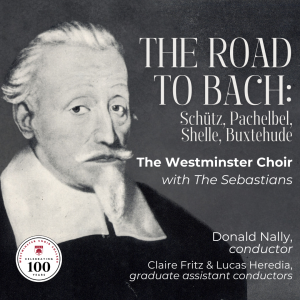
Free Choral Concert from Westminster Choir

Saturday, February 14 · 5:00 pm · Sanctuary

The world-famous Westminster Choir will be joined by the early-instrumental ensemble, The Sebastians, for a free concert (in-person only). Celebrating 100 years of the choir in New Jersey, they return to their original home in our church, where the college was located while their Princeton campus was being built.  You won’t want to miss this spectacular concert!

Faith That Endures – Adult Education

Adult Education for February 1-15, 2026
Sundays, 9:30 a.m., in the Assembly Room, unless otherwise noted

Exploring Christian faith with wonder, courage, and community

Christian faith has never been static. Across history and cultures, believers have wrestled with difficult questions, adapted to changing circumstances, and found ways to sustain hope and meaning amid uncertainty. Our February Adult Education series, Faith That Endures, brings together three striking portraits of how Christian communities respond—intellectually, spiritually, and collectively—when faith is tested or transformed.

We begin by turning to the earliest Christian stories themselves, asking how we might understand the Gospel miracle narratives with both honesty and faith. We then move to nineteenth- and twentieth-century Denmark, where the church helped shape a nation’s cultural identity—only to face profound questions about relevance in a secular age. Finally, we look beyond the Western world to the Karen Christians of Burma, whose embrace of Christianity became a powerful source of ethnic identity, resilience, and social transformation amid adversity.

Taken together, these sessions invite us to reflect on enduring questions: Where do we see God at work? How do communities interpret faith in their own contexts? And what does it mean for Christian witness to endure—across centuries, cultures, and changing worlds?


Download Flyer (pdf)

Audio recordings will be posted below each class description.

🎧 Listen On the Go!
Adult Education classes and sermons are now available as podcasts on Amazon Music, Apple Podcasts, and Spotify. Search “Nassau Presbyterian Church”—follow or subscribe to be alerted when new recordings are uploaded.


February 1 | Elaine Pagels

Understanding the Miracle Stories in the Gospel

Was Jesus an actual historical person, or a literary figure? What sources offer evidence that he lived—and why is Elaine Pagels persuaded by that evidence? From there, we explore how to understand the Gospel miracle stories: walking on water, healings, raising the dead, and, above all, the two miracles Christians have wrestled with for centuries—the virgin birth and the resurrection. How might we read these stories today with both faith and critical insight?


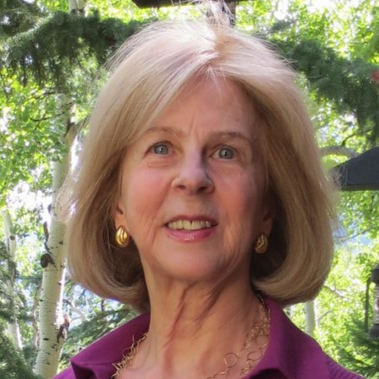
Elaine Pagels is the Harrington Spear Paine Foundation Professor of Religion Emerita at Princeton University, and a widely respected scholar of early Christianity. Her groundbreaking research — especially on the texts of the Nag Hammadi Library — has helped reveal the diversity of early Christian beliefs and challenged long-held assumptions about Christian origins. Her best-known works include The Gnostic Gospels (National Book Award winner), The Origin of Satan, and Why Religion? A Personal Story. Since stepping down in September 2024 after over four decades on the Princeton faculty, she continues to write, lecture, and contribute to the public conversation about faith, history, and meaning.


February 8 | Ed Madsen

Faith in Action: The Danish Church

From the ashes of defeat when Denmark declared bankruptcy in 1813, the Danish church played a crucial role in restoring the nation’s sense of purpose and identity. In the nineteenth century, it fueled innovative educational and social reforms; in the twentieth century, it fostered a shared national culture—especially through communal singing. Today Denmark is often described as one of the happiest countries in the world, with a robust economy, universal health care, and tuition-free universities that even provide stipends for students. Yet Denmark’s churches are now strikingly empty. What happened? Is the church simply asleep, or is it hiding in plain sight? Ed Madsen explores the story of the Danish church across three centuries and what it reveals about faith and cultural life today.

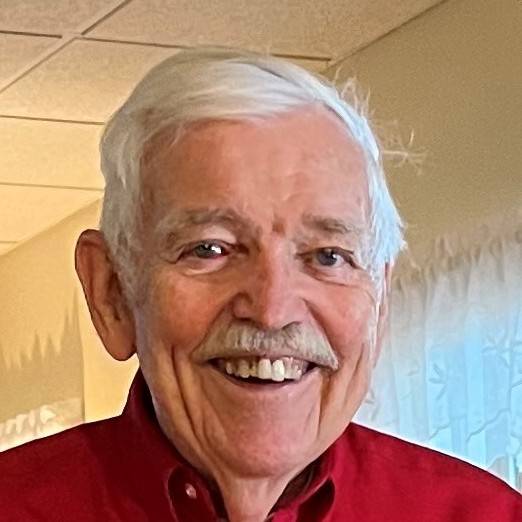
Ed Madsen, a 30-year member of Nassau, has assembled a book inspired by a bundle of his parents’ letters—preserved for half a century under his grandfather’s thatched roof in Denmark. He has written for various Christian publications, has been published in The Bridge, the journal of the Danish American Heritage Society, and has crafted new lyrics for two Danish hymns.


February 15 | Pum Za Mang

Christianity, Modernity, and the Karen People of Burma

Karen Christians have creatively shaped their ethnic identity on their own terms—contextualizing the Christian faith within their particular cultural setting and using religion to strengthen their collective status. In 1828, the Karen were an agrarian, nonliterate people living in upland villages. By the turn of the twentieth century, they had become a literate and partly urban community deeply engaged in education, the military, commerce, and politics. The embrace of Christianity both accompanied and reinforced the development of a distinct Karen ethnic identity.

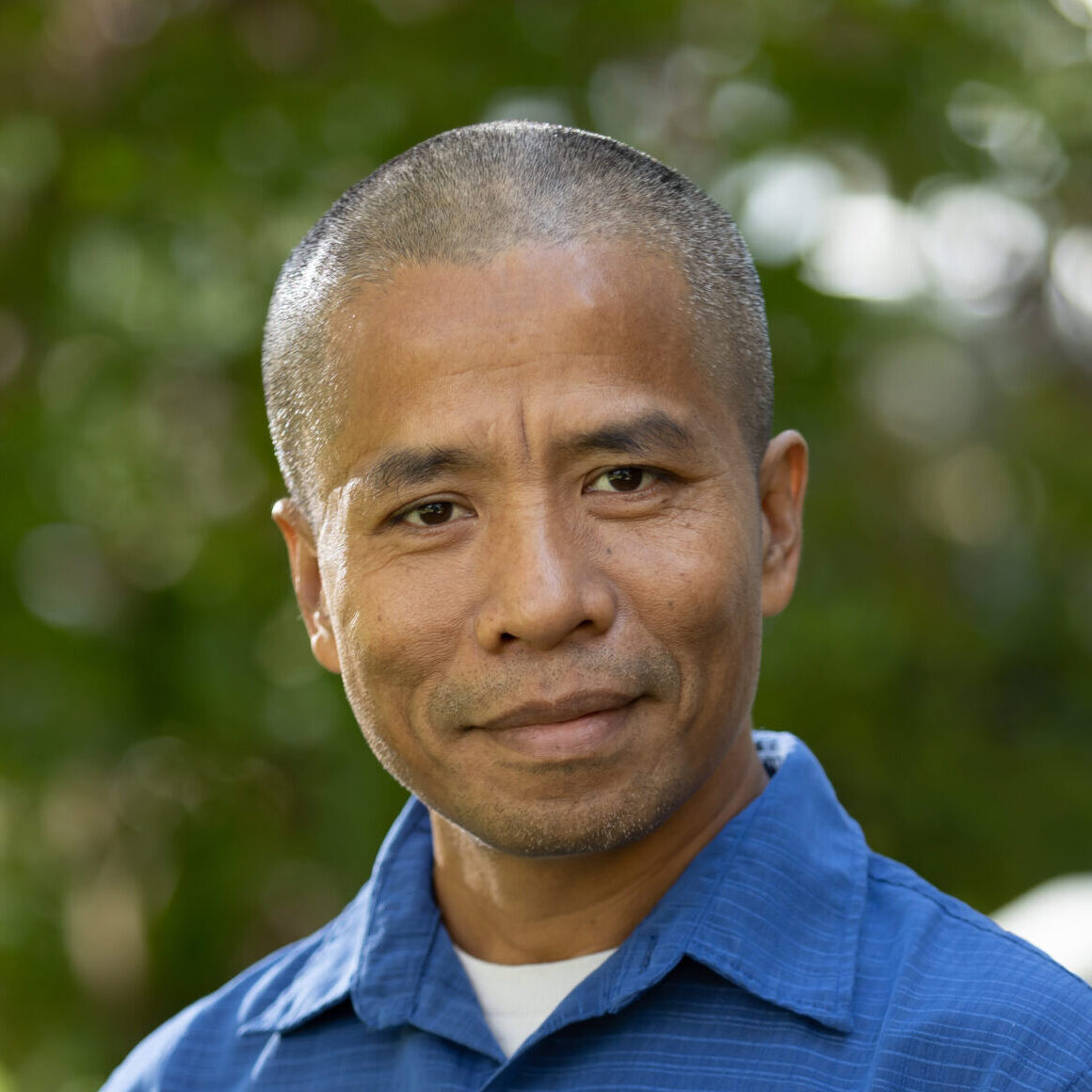
Pum Za Mang is Associate Professor of World Christianity at Myanmar Institute of Theology. He earned his M.A. from Princeton Theological Seminary and his Ph.D. from Luther Seminary. He has published widely—contributing book chapters, journal articles, and reviews in Asia, Europe, and North America. His research focuses on Burmese Christianity, and he is currently a visiting scholar at Princeton Theological Seminary.

#MissionMonday – Valentines For Food 2026

It’s the coldest time of year – so let’s warm up some hearts!

Nassau Church is proud to partner with Arm in Arm for the annual Valentines for Food donation drive. Food insecurity and need has seen a significant increase in our area. With your support, Arm In Arm can continue the work of feeding the hungry, which Matthew 25:35 reminds us is holy work.

Click the link below to see the reach of Arm in Arm’s impact, and learn what and how to donate.

Valentines for Food (link)

The Unconcealed Love of God

Psalm 40:1-10
January 18
David A. Davis
Jump to audio


Each year, as the holiday to honor the Rev Dr. Martin Luther King Jr. approaches, I reread Dr. King’s Letter from a Birmingham Jail. The letter is dated April 16, 1963, and it is in response to a public statement signed by 8 clergy people published on April 12, 1963, in The Birmingham News. Four bishops. Three ministers. One rabbi. I realized this week that I while I have read The Letter from a Birmingham Jail more times than I can count, I have never read that published statement. So, I read it this week. The statement reads in part:

“We the undersigned clergymen are among those who, in January, issued ‘An Appeal for Law and Order and Common Sense’….We are now confronted by a series of demonstrations by some of our Negro citizens, directed and led in part by outsiders. We recognize the natural impatience of people who feel that their hopes are slow in being realized. But we are convinced that these demonstrations are unwise and untimely.”  The statement also refers to the protests for civil rights in Birmingham as “technically peaceful”.

Near the end of Dr. King’s lengthy letter, he offers a stinging, timeless lament for the white moderate church. “So here we are moving toward the exit of the twentieth century,” King proclaims, “with a religious community largely adjusted to the status quo, standing as a tail-light behind other community agencies rather than a headlight leading to higher levels of justice.”  He writes of traveling the length and breadth of the south, looking at the plethora of beautiful churches “with their lofty spires pointing heavenward” and pondering the people who worship there. “Where were they when the lips of Governor Wallace were calling for defiance and hatred?” he writes. “Where were their voices of support when tired, bruised, and weary Negro men and women decided to rise from the dark dungeons of complacency to the bright hills of creative protest?”

It is impossible to read The Letter from the Birmingham Jail and not see the compelling relevance to these days. Impossible to read a letter from Birmingham and not think of Minneapolis. “A headlight leading to higher levels of justice” when an epidemic of injustice spreads. Nassau Church. I believe that is who we are. That is how we are. That is who and what the God we serve is calling us to be. Jesus Christ is calling, empowering, guiding each one of us in our life of discipleship to pray for, yearn for, work for higher levels of justice. The faithfulness of our lives is our letter. Each Sunday being sent from here to live our faith every day in the world. “To do justice, to love kindness, to walk humbly with our God” Or as adapted in the vision statement of this congregation, “By God’s grace in our lives, we engage with the world, yearn to do what is just and fair encourage what is kind and helpful, and seek to walk humbly before God and alongside our neighbors.”

As we go to Psalm 40 together this morning, I invite you to reflect with me on the theme The Unconcealed Love of God. The Unconcealed Love of God. Because as I have read and reflected on the first several verses of Psalm 40, it touches me as a prayer. My prayer. Our prayer A prayer from each one of us. A prayer for these days

We have waited and waited and waited for God to hear our cry. And we’re waiting again, Lord! You have heard. We know you have heard and we ask that you hear again. Our urgent, fervent prayer for these days. Hear us again, God. As in days passed, when you pick us up from the lowest of points, from what felt like a foggy chaos. Each of us can point to the moments, Holy One, “when the Lord lifted me.” When God lifted me. God really lifted me. We remember. We know, O God, when you lifted us high upon the Rock of our Salvation. When you drew us close, O Rock of Ages. Draw us and your world close again, Mighty God, you who are our rock and redeemer.

We cling to those moments when we felt like we could sing again. When you put a new song on our lips, in our hearts. When we could again praise you, O God of everlasting peace and righteousness. When you lifted us, each one of us at some point. When you reached all the way down, O Emmanuel, God with us, and with your everlasting arms, you lifted hearts unto you again. On that one Sunday, when our mouths could again join in with those singing next to us, in front of us, behind us, in these pews. How could we keep from singing your praise, Wondrous God of mercy and grace?  Hear us again, O Lord. Hear our cry. But we’re not going to lie, Lord, we could use a lift again. Today. Right now. Lift us again from the fog of chaos all around us, O Light of the world.

Surround us afresh with more and more people who will see you and the world you desire. Who will be filled with the wonder of your magnificent beauty and the beauty of the world, the creation, the kingdom you intend? Assure us of the multitudes of your beloved children that put their trust in you, and you alone. Those who surround us here in this place. Those that you bring into our lives out in the world. Keep helping us to find our people, Lord Jesus. For before they were our people, they were your people. Your children. For that is who we are.

Blessed. Blessed. Blessed are those who put their lives in your hands and their hearts in you, Ever-present God. You who know each of us by name and the number of the hairs upon our head. Blessed. Blessed. Blessed are those who rest their heart in you rather than the allure of wealth and power and winning at all costs and vengeance. Blessed. Blessed. Blessed are those who turn to you, the Suffering Servant who stretched out your arms on the cross to embrace this broken world, these your broken people. Those who turn to you rather than those who boast of their own pride. Those who become disciples of the false gods fired in the world’s furnace of greed, and violence, and hatred, and bigotry, and evil. The false gods of this world that are legion and tempt us like Satan in the wilderness.

Loving God, you who created this vast universe and called it good. You who created each one of us and called us good. The more we ponder all that you have done for us,  the more wondrous your work, your love, your kindness, and your faithfulness for and to us becomes. It’s not science. It’s not math. It’s not philosophy. It’s not even theology. It’s life. Our life in you. When it comes to life, nothing compares to you. Truth is, the legion of your goodness is always stronger than the legion of false gods that confront us. And at the end of the day, trying to find words, trying to explain, trying to shout it from the rooftops, trying to go tell it on the mountain is not enough. It’s never enough. Not enough words. Never enough when all you desire is the faithfulness of our lives in here and out there.

Here’s the wonder of it all, God. Here’s the mystery of your plan for our salvation. It’s never about what we do for you. It’s not about how religious or pious we can be. You already have us in the book of life. You already have our names on the class roster of abundant and eternal life. You have us. You got us. Here I am, Lord. Here I a,m Lord. Here we are, Lord. All of our broken, frumpy lives, all of our hard edges and wounded, aching limbs as the body of Christ. Here we are for you. That’s all. It’s that simple for these way too complex, frightening days. You are the purpose of each of our lives and for our lives together. You are our joy, our delight. You have imprinted your desire, your intent for this crazy, out-of-control world within our hearts. And today, right now, right here, we claim your promise once again, that you are greater than our hearts. Thanks be to you, O God, of steadfast love and faithfulness.

We have told of your good news, the good news of our salvation, with our lips, with our songs, with our praise, in here and out there, Magnificent Lord. We have not kept your saving grace to ourselves. And you know, God knows, we can’t keep your saving grace to ourselves these days. We have spoken of your every -present faithfulness and told stories of your love over and over and over again. And you know, Jesus Christ knows, we have to tell them more and louder these days. We have to tell of your love not just with words, not just with songs of praise, but with the nitty-grittiness, the everydayness, of our lives.

Your love and faithfulness are utterly concealed these days by those who pervert the gospel to their own end. Your love and faithfulness are concealed these days by those who threaten the stranger rather than welcome them, those who create orphans rather than care for them, those who create enemies in order to hate them, those who seem to want a world where the hungry and poor are demonized rather than fed and lifted up.

So yes, Lord, words aren’t enough. By your grace, and with courage drawn from Jesus himself, and only by the power, guidance, intercession, and advocacy of the Holy Spirit, we are going to live lives that reflect the unconcealed love of God, especially these days. The unconcealed love of God for the living of these days, for the living of these days. Because to be honest, Heavenly One, to open our heart and soul to you this morning, Lord,  it’s really hard to wait and be patient for you these days. Really hard. So hear us. Hear our cry. Hear our plea. Our urgent, fervent prayer for these days. Hear us again, God. Hear us, now. Hear us, O Spirit ever on the loose among us. Hear us and so use us. Headlights, not taillights.

And Jesus, hear us, hear our endless pleas. Because of you, because of our life in you, because you have told us that you shall, you will be with us even to the end of the age. Well, then, Jesus, we’re going to trust and never doubt, Jesus will surely bring us out. Because you, Jesus, you never failed us……yet.

Amen.

 

#MissionMonday – “Courtroom to Classroom to Boardroom”

One Person’s Journey through the Criminal Justice System

Monday, February 2, 2026
6:30–8:30 pm
Assembly Room, Nassau Presbyterian Church
61 Nassau Street, Princeton, NJ

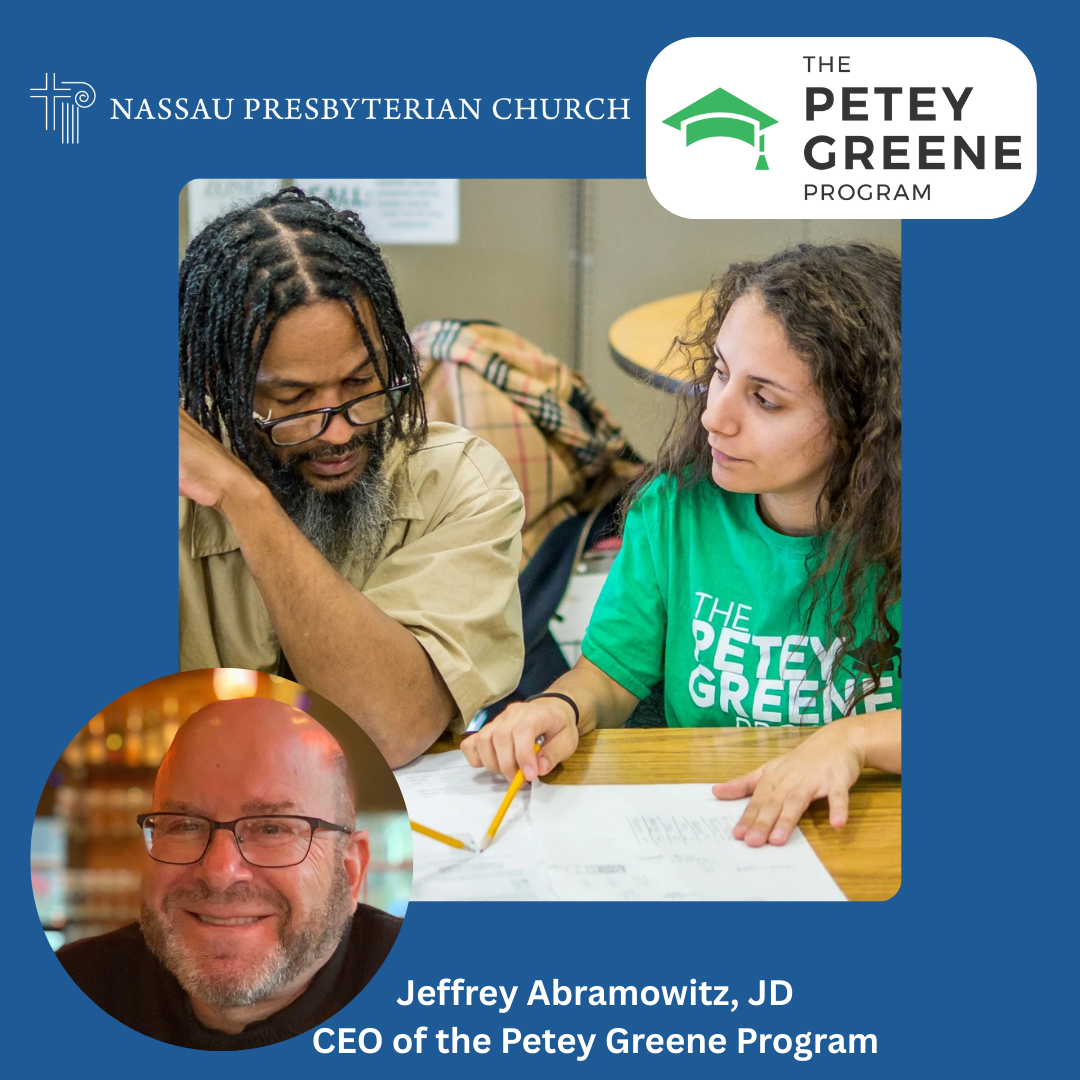
Join us for an evening with Jeffrey Abramowitz, J.D., CEO of the Petey Greene Program, as he shares his personal journey through the criminal justice system—from his early career as an attorney to his leadership of national nonprofit organizations.

Jeff will also introduce the work of the Petey Greene Program, a nonprofit dedicated to promoting education and career support for justice-impacted learners, and highlight meaningful ways to get involved, including volunteer opportunities.

A light supper will be provided at no cost for those who register in advance. Walk-ins are welcome.

👉 Sign up here: https://bit.ly/4qEiHcq

Sponsored by the Mass Incarceration Task Force of Greater Mercer County and Nassau Presbyterian Church’s Adult Education Committee.


About the Speaker

Jeffrey Abramowitz is the Chief Executive Officer of the Petey Greene Program and the Puttkammer Center for Educational Justice. He previously served as Executive Director of Justice Partnerships and Executive Director of Reentry Services for JEVS Human Services and founded the Looking Forward Philadelphia Reentry Program. Jeff serves on several nonprofit education and workforce boards and was appointed to the Pennsylvania Reentry Council, where he chairs the Employment Committee.

MLK Jr. Day of Service on Monday, January 19, 2026

Join us for a full day of learning, service, and community as we honor the life and legacy of the Rev. Dr. Martin Luther King, Jr., and live out our Christian commitment to human flourishing in all places. All are welcome—come for one part of the day or stay for as much as you’re able.

ROBESON HOUSE TEACH-IN

“Where Do We Go From Here?”

Monday, January 19, 9:00 am – 12:00 pm, Sanctuary of Nassau Presbyterian Church
Begin MLK Jr. Day with a morning of learning and reflection as we explore the powerful, intersecting stories of the Robeson family and the Rev. Dr. Martin Luther King, Jr., and how their witness calls us to faithful action today.
Registration Required: https://tinyurl.com/PRHPTeachIn26 

HANDS-ON PROJECTS

Monday, January 19, 10:30 am – 12:30 pm, Assembly Room
Join us for hands-on service projects for all ages! We’ll make pet blankets for orphaned animals, pack sack lunches for Trenton Area Soup Kitchen (TASK), assemble Creativity Kits for HomeFront, pack personal care products for Arm In Arm clients, and create calendars for ABC Literacy. Bring donations to the Assembly Room through January 19.
Donation list: https://nassauchurch.org/an-advent-moment-of-mission/
Contact Ingrid Ladendorf (email, x105)

COMMUNITY CLEAN-UP

Monday, January 19, 1:00-3:00 pm, Mountain Lakes Nature Preserve, 57 Mountain Ave, Princeton
Spend the afternoon caring for our local environment alongside Friends of Princeton Open Space. Volunteers will help remove invasive species in riparian restoration areas and install deer-exclusion caging to protect young tree saplings.
Registration Required
https://bit.ly/NPC26FoPOS, choose the 1:00-3:00 pm session.
Contact Mark Edwards (email, x109)

COMMUNITY WORSHIP SERVICE

Monday, January 19, 7:00 pm
Princeton United Methodist Church, at the corner of Nassau Street & Vandeventer Avenue, Princeton
Join us for a Multi-Faith celebration of the life, faith, and legacy of the Rev. Dr. Martin Luther King Jr., sponsored by the Princeton Clergy Association and the Coalition for Peace Action.

You are also invited to join the pick-up community choir: the rehearsal is Monday, January 12, 7:00-9:00 pm at the PUMC, and warm up is 6:00 pm on January 19.
Choir Sign Up https://bit.ly/44X3Cdq