
Adult Education for February 1-15, 2026
Sundays, 9:30 a.m., in the Assembly Room, unless otherwise noted
Exploring Christian faith with wonder, courage, and community
 Christian faith has never been static. Across history and cultures, believers have wrestled with difficult questions, adapted to changing circumstances, and found ways to sustain hope and meaning amid uncertainty. Our February Adult Education series, Faith That Endures, brings together three striking portraits of how Christian communities respond—intellectually, spiritually, and collectively—when faith is tested or transformed.
We begin by turning to the earliest Christian stories themselves, asking how we might understand the Gospel miracle narratives with both honesty and faith. We then move to nineteenth- and twentieth-century Denmark, where the church helped shape a nation’s cultural identity—only to face profound questions about relevance in a secular age. Finally, we look beyond the Western world to the Karen Christians of Burma, whose embrace of Christianity became a powerful source of ethnic identity, resilience, and social transformation amid adversity.
Taken together, these sessions invite us to reflect on enduring questions: Where do we see God at work? How do communities interpret faith in their own contexts? And what does it mean for Christian witness to endure—across centuries, cultures, and changing worlds?
Audio recordings will be posted below each class description.
🎧 Listen On the Go!
Adult Education classes and sermons are now available as podcasts on Amazon Music, Apple Podcasts, and Spotify. Search “Nassau Presbyterian Church”—follow or subscribe to be alerted when new recordings are uploaded.
February 1 | Elaine Pagels
Understanding the Miracle Stories in the Gospel
Was Jesus an actual historical person, or a literary figure? What sources offer evidence that he lived—and why is Elaine Pagels persuaded by that evidence? From there, we explore how to understand the Gospel miracle stories: walking on water, healings, raising the dead, and, above all, the two miracles Christians have wrestled with for centuries—the virgin birth and the resurrection. How might we read these stories today with both faith and critical insight?
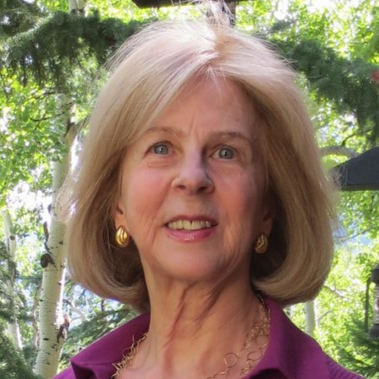 Elaine Pagels is the Harrington Spear Paine Foundation Professor of Religion Emerita at Princeton University, and a widely respected scholar of early Christianity. Her groundbreaking research — especially on the texts of the Nag Hammadi Library — has helped reveal the diversity of early Christian beliefs and challenged long-held assumptions about Christian origins. Her best-known works include The Gnostic Gospels (National Book Award winner), The Origin of Satan, and Why Religion? A Personal Story. Since stepping down in September 2024 after over four decades on the Princeton faculty, she continues to write, lecture, and contribute to the public conversation about faith, history, and meaning.
February 8 | Ed Madsen
Faith in Action: The Danish Church
From the ashes of defeat when Denmark declared bankruptcy in 1813, the Danish church played a crucial role in restoring the nation’s sense of purpose and identity. In the nineteenth century, it fueled innovative educational and social reforms; in the twentieth century, it fostered a shared national culture—especially through communal singing. Today Denmark is often described as one of the happiest countries in the world, with a robust economy, universal health care, and tuition-free universities that even provide stipends for students. Yet Denmark’s churches are now strikingly empty. What happened? Is the church simply asleep, or is it hiding in plain sight? Ed Madsen explores the story of the Danish church across three centuries and what it reveals about faith and cultural life today.
 Ed Madsen, a 30-year member of Nassau, has assembled a book inspired by a bundle of his parents’ letters—preserved for half a century under his grandfather’s thatched roof in Denmark. He has written for various Christian publications, has been published in The Bridge, the journal of the Danish American Heritage Society, and has crafted new lyrics for two Danish hymns.
February 15 | Pum Za Mang
Christianity, Modernity, and the Karen People of Burma
Karen Christians have creatively shaped their ethnic identity on their own terms—contextualizing the Christian faith within their particular cultural setting and using religion to strengthen their collective status. In 1828, the Karen were an agrarian, nonliterate people living in upland villages. By the turn of the twentieth century, they had become a literate and partly urban community deeply engaged in education, the military, commerce, and politics. The embrace of Christianity both accompanied and reinforced the development of a distinct Karen ethnic identity.
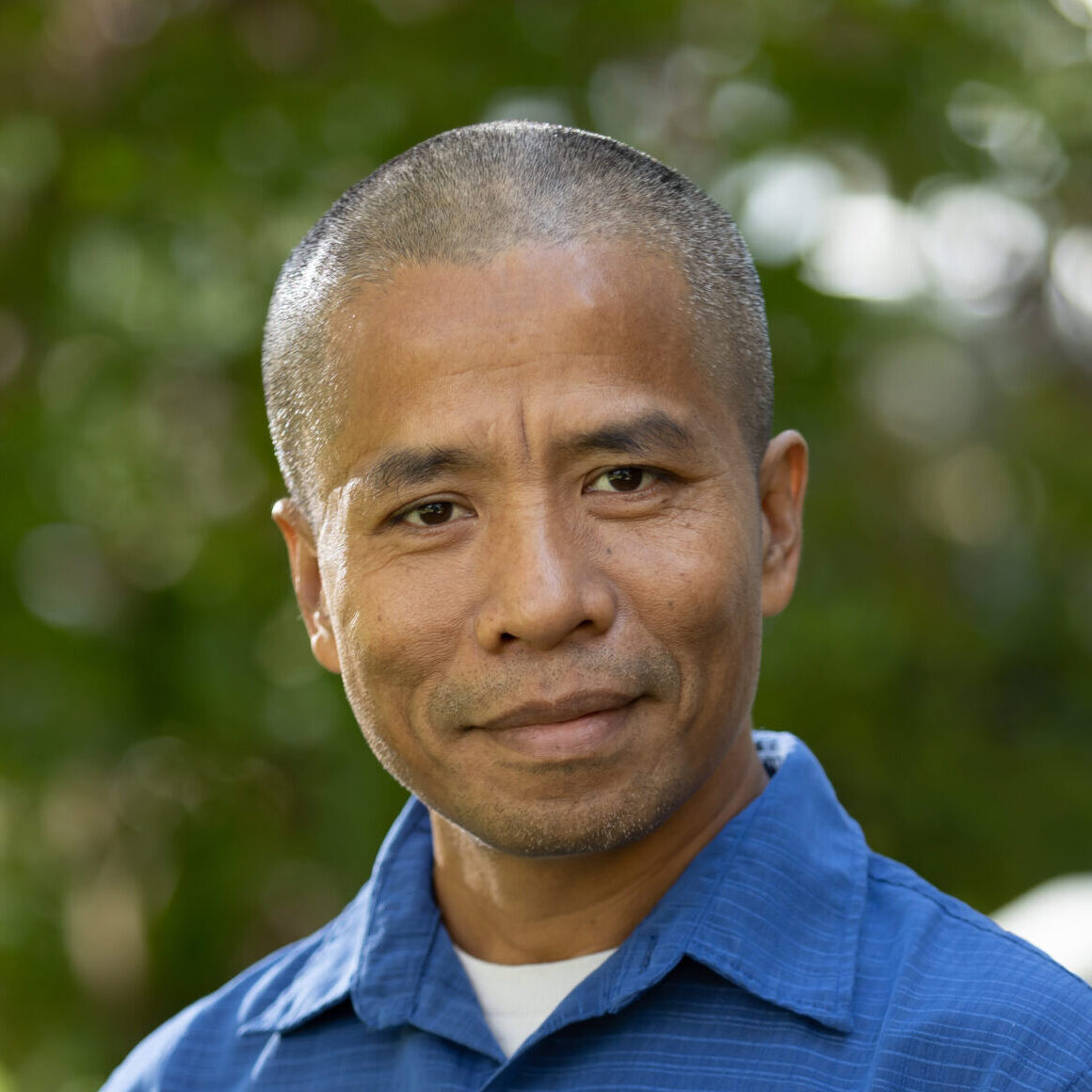 Pum Za Mang is Associate Professor of World Christianity at Myanmar Institute of Theology. He earned his M.A. from Princeton Theological Seminary and his Ph.D. from Luther Seminary. He has published widely—contributing book chapters, journal articles, and reviews in Asia, Europe, and North America. His research focuses on Burmese Christianity, and he is currently a visiting scholar at Princeton Theological Seminary.