
#MissionMonday – Cetana Educational Foundation
The Gift of Language
As the year draws to a close, we give thanks for the many ways God has been at work through our congregation’s mission and outreach.
Your support—through gifts, volunteering, and faithful presence—has touched lives both near and far. We are grateful for each act of compassion offered in Christ’s name. With partners like Cetana Educational Foundation, the members of Nassau Church are able to share and connect across the globe.
Alternative Gifts remain available through Epiphany if you’d like to make a year-end gift in honor of someone special.
Blessings as we turn toward a new year filled with possibilities.
Follow Cetana Educational Foundation online:
 |
When The Manger Overflows
Luke 2:1-20
December 24
David A. Davis
Jump to audio
“This will be a sign for you.” One morning this fall, on my way to the church office from our home in the Littlebrook section of Princeton, I ran into four detours for road closures. It took me 40 minutes to get to the office. We live 3.3 miles from here. The frustration was that there was never a “road closed ahead” sign. Arrive at the intersection, and a police car is blocking the road where you intend to go. A sign would have been helpful. When you find yourself traveling on an interstate, have you experienced those sometimes misleading blue signs that list the gas, hotel, or food options at the next exit? I know I am not the only one to experience this. You see a little icon on the sign for the gas you need or the food stop you would like. You exit a mile or two later. Drive slowly down the ramp. Come to the stop. The more honest sign says gas or food to the right in another 4 miles. The better sign at a highway exit is the huge fast food or gas sign towering up in the air with the destination right at the base of the sign. There is a refreshing clarity in that signage.
“This will be a sign for you,” the angel said to the shepherds. The angel of the Lord who stood before them with all that glory that terrified them. The angel was not the sign. The heavenly host of angels that appeared praising God and singing “Glory to God in the highest” had to have been breathtaking. But the heavenly host was not the sign. The shepherds, though they “returned, glorifying and praising God for all they had heard and seen,” had nothing to do with the sign. For that matter, neither did Mary and Joseph, post-partum, post-swaddling, post-lying the babe in the manger. “This will be a sign for you; a child wrapped in bands of cloth and lying in a manger…So they went with haste and found Mary and Joseph, and the child lying in the manger.”
The preacher in the Book of Hebrews tells us that some of us have probably entertained angels unaware when showing hospitality to strangers. Most of us, however, have not come upon an angel with the glory of the Lord shining all around. But we have all seen a baby. We haven’t had a band of shepherds come and preach the good news of great joy for all people. But we have seen a baby. “This….will be a sign for you.” Not a burning bush. Not a cloud by day and pillar of fire at night. Not stormy sea brought to a dead calm. Not a withered hand healed. Not a few fish and loaves of bread feeding thousands. Not a lame person walking. Not tongues of fire falling from heaven and everyone hearing the gospel in their own language. Not prison chains falling off of their own accord. “This will be a sign for you.” A sign we have all seen. A sign we can all understand. A child is swaddled and lying there in front of you.
Generation after generation of students down the street at Princeton Theological Seminary have worked on their worship leadership skills in the required Introduction to Speech Class. Those classes are currently taught by faculty very familiar around here at Nassau Church: Michael Brothers and Nancy Lammers Gross. I am absolutely certain that they continue to carry the mantle when it comes to how to properly read Luke 2 before a congregation. It is the most common example used to teach a pastor the importance of a pause and the purpose of a comma when it comes to oral interpretation. I can still hear the speech teacher in my intro class after a student read “So they went with haste and found Mary and Joseph and the child lying in the manger.” “No, no, no! The three of them are not in the manger.” “So they went with haste and found Mary and Joseph….., and the child lying in the manger.” “The manger is not overflowing”.
Of course, it is overflowing. For that which is divine, “the one born this day in the city of David, a Savior, who is the Messiah, the Lord”, is swaddled not just in bands of cloth but wrapped in all that it means to be human. God and flesh. Divine and human. God with us. Look for a sign. The manger is overflowing both with the presence of God and the flesh of our humanity. A child lying there in the manger. Swaddled for warmth and security like a parent wraps every newborn before and ever since. Eyes yet to open. Skin color is yet to recover from the trauma of birth. And therein lies God. This so an understandable and relatable sign of our humanity; this newborn baby bears in this tiny flesh the awesome holiness and otherness of God. All of the mystery of the transcendent Creator of all now nurses at Mary’s breast. It is the scandal of the incarnation, God in human flesh. The manger cradles the King of Kings and the Lord of Lords. It overflows with the very humanity of God.
I was meeting a new friend for coffee one morning last week. We met at the place where he works, but over a period of only a few weeks, we kept running into each other. We both took it as a sign that we should grab coffee. He suggested meeting at Sakrit coffee, which is always too crowded, but I kept that thought. That morning, there was no place to sit. I suggested we go back to my office in the church. He said, “How about we take a walk?” For the next hour, on a brisk but sunny morning, we walked all over campus, up and down Nassau Street. As we walked and sipped, we shared our lives, our hopes and dreams, and complained about traffic in Princeton. We both ran into people we know and introduced each other. I introduced him to Len Scales, a few blocks down Nassau Street. We said hi to John, the unhoused man who spends a lot of time in the seminary library and on a bench in front of the Nassau Christian Center. We both know John. Wished him a merry Christmas. We split up, and both went back to work at 10. I found it to be a God moment, even a holy one. A reminder to me of God’s presence in the everyday, earthiness of it all. That’s when God still comes.
“This will be a sign for you.” It is a simple sign; the child, the manger, and the fleshiness of it all. The earthiness, the smelliness, the prickliness of humanity’s manger still receives the presence and promise of God, God with us. Because it is here, not “here” of this room but the “here” of our lives. Here in humanity’s stable of heartbreak and grief and disappointment, where God still comes. Here, when you and I are trying to keep our heads above water with the flood of the news of the world and the daily drenching downpour of humanity’s sinfulness, God still comes. Both in joyful family gatherings and in family struggles, in the realities of college admissions or difficult job searches or increased job stress or dignity torn away by unemployment, God is still there. As weddings are announced and new babies met for the first time, and medical tests shared and empty places at the table scream too loudly, God is there. Here, as parents seek wisdom in raising children and children seek wisdom in caring for parents, as young people search for courage in adulting or discerning what’s next in school and life, here, as someone we love is being treated for cancer, or struggling for a peace of mind, or a relationship now broken and over, God still comes.
“This will be a sign for you… a child lying in a manger.” Not a throne, not a cushy bed, not a bassinet crafted for royalty. A manger in a barn surrounded by animals and night air. Just so God rests in the rickety frame of our lives, and all of creation stands ready to burst into song. For the manger overflows with the humanity of God. And on nights like tonight, as the world groans with the suffering of God’s people and the darkness of the powers and principalities seems to be darker and heavier, our hope for peace and goodwill again rests in the scandal of God’s love. Out in the darkness, surrounded by other than the fleshiness of our humanity, the night air, and the world’s chaos, God is still with us. God is still for us.
My favorite children’s Christmas pageant story tells of the director deciding to mark the places for the angels and the shepherds. A circle for each angel and a cross for each shepherd. Unfortunately, there was no rehearsal in costume. When the angels took their places during the pageant in their flowing robes and halos, they covered up the marks for the shepherds. “The shepherds, driven by God knows what demonic impulse to indiscreet obedience,” William Muehl writes, “began looking for their places. Angels were treated like they had never been treated before. And at last one little boy, who had suffered about all such nonsense he could handle, turned toward….the teacher in charge…and announced angrily, ‘These damned angels are fouling up this whole show…They’ve hidden all the crosses.”
“Needless to say,” the writer continues, “his mother and I were greatly embarrassed.” But then offered this reflection on the life of faith. “We are, indeed, ‘damned angels’, possessors of gifts and insights which we turn to works of destruction, victims of burdens and infirmities which become occasions for glory. The rich pageant of life is often fouled up by our rigid moralism, and the cross is hidden beneath the flimsy fabric of our piety…Our flesh drives and afflicts us from birth to death. But we have the gall to affirm that it once sheltered the Eternal.
Or said another way, we dare to believe and affirm that the manger still overflows with the humanity of God.
“Do not be afraid, for see—I am bringing you good news of great joy for all the people, to you is born this day in the city of David a Savior, who is the Messiah, the Lord. This will be a sign for you.”
#MissionMonday – Trenton Microloan Collaborative
The Gift of Support
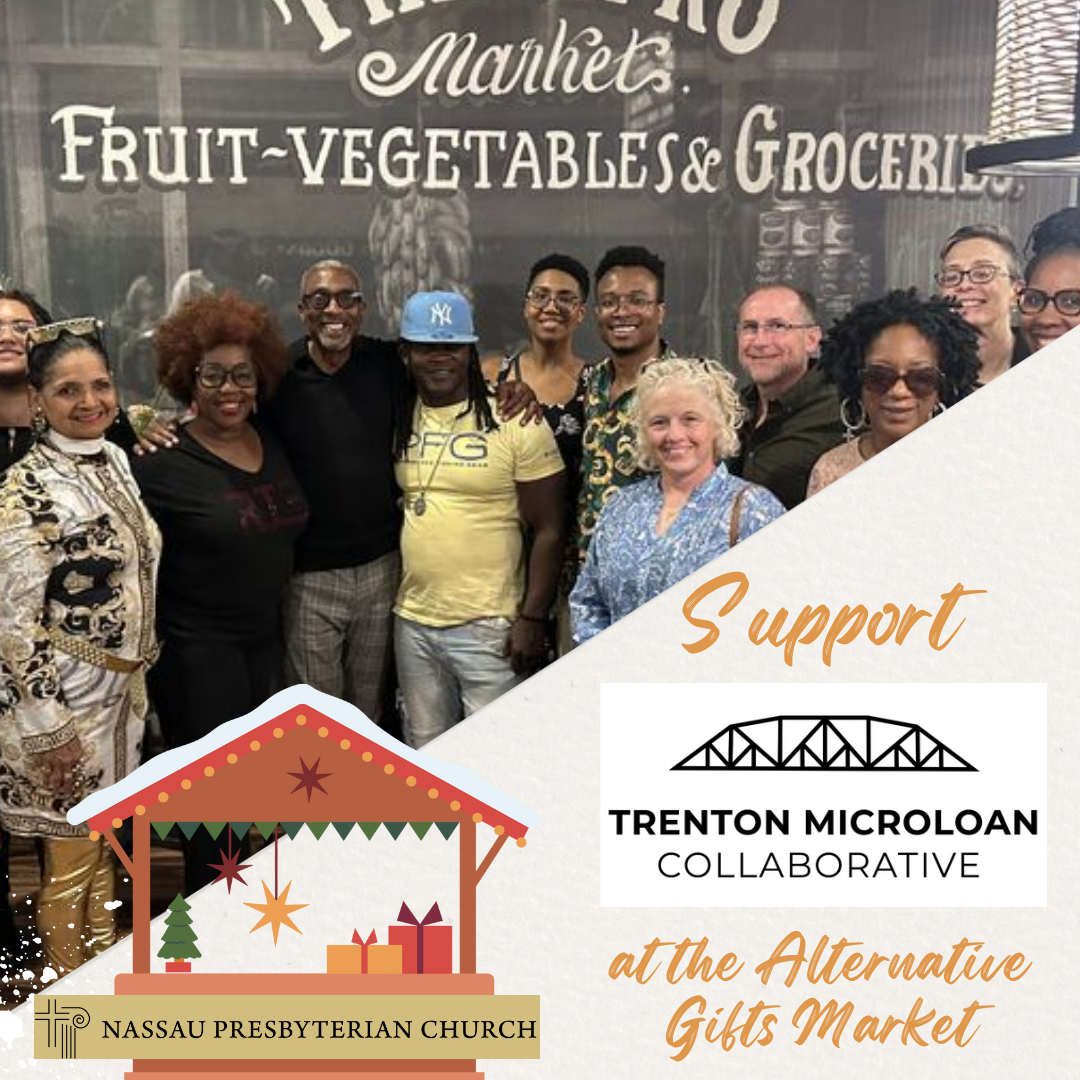 As Christmas approaches, we remember that God comes to us in love—and calls us to love our neighbors.
Thank you for the ways you support our mission partners throughout the year and especially in this season of celebration and need. Your generosity strengthens ministries that offer food, shelter, friendship, and hope. Partners like Trenton Microloan Collaborative promote thriving communities right here in our neck of the woods.
There’s still time to participate in Alternative Gifts, which continues through January 6. It’s a simple, meaningful way to share Christ’s love with others.
Wishing you peace and joy as we approach Christmas.
Follow Trenton Microloan online:
|
World Without End
Luke 1:46-55
December 21
David A. Davis
Jump to audio
Basking in the glow of last week’s Christmas Pageant, Ingrid Ladendorf (our director of your and children’s choirs) and I were reminiscing about Christmas Pageants in general and Christmas Pageants here at Nassau Presbyterian Church. We discussed the gift of creating Christmas memories here at the church that our youth and children will carry with them forever. How each year the imperfections of the pageant make it perfect. That Christmas Pageants embody the theological affirmation of the incarnation. The perfection of the pageant is in the fleshiness of telling, acting out, performing the story of the birth of Jesus. Ingrid said to me, “I find it very moving to think of all the Marys here at Nassau over the years who memorized “My soul magnifies the Lord and my spirit rejoices in God my Savior, for God has looked with favor on the lowliness of God’s servant.” Year after year, decade after decade, a young woman memorizing the Magnificat and likely never forgetting at least parts of it. That image Ingrid offered helps to cleanse my palate of the image Lauren McFeaters often shared of when she served as an associate pastor at the Ewing Presbyterian Church. The interim pastor who served after David Prince stood in the pulpit on Christmas Eve while wearing a purple scarf on his head with his bearded face, and began his sermon, “I am Mary”.
Growing up in the Presbyterian Church, I never heard much about Mary. I am sure that Luke 2:47-55 was read every Advent and Christmas Eve. But I don’t remember hearing about Mary in sermons. I don’t remember my own sermons, but I am pretty good at remembering others’ sermons. It must have been part of what some biblical scholars have called “The Protestant silence” when it comes to Mary. I do remember hearing those voices of grown-ups around the church talking about Roman Catholics, “you know, they pray to Mary,” which was far from a compliment or an unbiased observation. I heard more about Mary my first week of football practice in college when one of the assistant coaches, who likes to yell a lot, avoided salty language by invoking the name of Mary with one of those memorable Boston accents. “Holy Mary, mother of God.” “Or Mary, Joseph, and Jesus….can someone make a tackle today?” I heard Mary’s name more in those weeks than I ever did growing up. I grew up Presbyterian. Our text for today from the Gospel of Luke, and sung by the choir in just a moment, is the Song of Mary, the Magnificat. Mary, the mother of God. Mary the theotokos. Mary the God-bearer.
In those days, as the bible has it, Mary “went with haste” to see Elizabeth. Like the shepherds who “went with haste and found Mary and Joseph, and the babe lying in the manger”, Mary went with that same kind of expectant intention to find Elizabeth. You know the story: when Mary greeted Elizabeth, John the Baptist saluted with a kick. Elizabeth’s response to Mary comes as she is, according to Luke, “filled with the Holy Spirit.” Just like her own baby John, described by the angel as “filled with the Holy Spirit”, like Elizabeth’s husband Zechariah after he named the child John, he was “filled with the Holy Spirit”. Like all the people on that day of Pentecost who began to speak in other tongues, like Peter rising to speak after his arrest to the elders and scribes assembled in Jerusalem, like Stephen as he was being martyred and he was looking up to heaven, all of them, according to Luke, “were filled with the Holy Spirit.”
Elizabeth was “filled with the Holy Spirit,” and she said with a loud voice, “Blessed are you among women, and blessed is the fruit of your womb….And blessed is she who believed that there would be a fulfillment of what was spoken to her by the Lord.” Elizabeth, filled with the Holy Spirit, said to Mary, “Blessed, blessed, blessed”. Bless your heart Mary, that you would believe that God will fulfill all that God has spoken to you.” Or as it says in the King James: “And blessed is she that believed, for there shall be a performance of those things which were told her from the Lord.”
That’s when Mary speaks, she prays, she sings. That’s when Mary offers her recollection, her rendition of Hannah’s Song from the Hebrew scriptures, those lines so memorized in the collection of Christmas pageants throughout history. “My soul magnifies the Lord and my spirit rejoices in God my Savior, for the Lord has looked with favor upon the lowliness of his servant. Surely, from now on all generations will be blessed.” Blessed. Blessed. The Mighty One. Great things. God’s mercy from generation to generation. Strength in his arm. Scattered the proud in the thoughts of their hearts. The Lord has brought down the powerful from their thrones and lifted the lowly. Hungry filled. Rich sent away. All of it according to the promises God made to Abraham and his descendants forever.
Mary believed. She believed God would do what God promised. She believed that God would fulfill what God had spoken to her. That there would be a performance of what God had said. You have found favor with God. You will conceive and bear a son. He will be great, called Son of the Most High. Of his kingdom, there will be no end. She believed what God said. The Holy Spirit will come upon you. The child to be born will he holy, called the Son of God. Nothing will be impossible with God. She believed in the promise of God. God’s mercy for those who fear the Lord from generation to generation. Strength is shown with the arm of God. Scattering the proud in the thoughts of their hearts. She believed in the performance of God’s promise. The powerful were brought down from their thrones. The lowly lifted up. Hungry filled. Rich empty. All of it according to the promise of God.
If I were to list the most often asked questions of me as a pastor over the last forty years, a few would be at the top. My granddaughter Franny asked me not long ago if God ever sleeps. But a few of the most frequent: “Do you believe in the bodily resurrection?” “Why does the Apostles Creed say ‘he descended into hell’?” “Do you believe in the Virgin Birth?” I confess that I don’t think about the Virgin Birth all that much. When I find myself before the throne of God’s grace in the great bye and bye there among the communion of saints, the great cloud of witnesses, if the Risen Jesus said to me, “Now about that Virgin Birth” thing. My response would be something like “shocked, I say, shocked!” If the whole story of Mary and Elizabeth and Gabriel and the promise of God can be reduced to an examination of belief in the Virgin Birth, one sort of misses the point. As Cynthia Rigby from Austin Seminary pointed out in an essay on the matter, our questions, our thinking about Mary, all have a way of being “unacceptably inattentive” to the divine artistry of it all. It is not about who does this, who does that, it is about who we are in relationship to Go,d who fulfills, who we are in light of God who is faithful, who we are in response to God for us, God with us.
Rigby pointed out that Protestant thinkers have long identified Mary as the model Christian believer. But Mary was more than that, she argued. For as God-bearer, Mary pushes, gives birth, cradles, nurses, nurtures, rocks, burps, bathes, changes, comforts, the one called Son of God. A believer indeed, as Elizabeth exclaimed. Yet one who also somehow participates in the very work of God. Partnering with God who fulfills. Mary reminds us, Rigby wrote, “it is in particular concrete actions undertaken in particular moments that finite creatures realize their participation in the artistry of God….What is impossible is made possible: we are capable, creative, willing, irreplaceable companions of the God who claims us in Jesus Christ. We are included….in the artistry of God.” Or in other words, we too are God-bearers.
When I think of Mary, the mother of God, Mary, the God bearer, I wonder what was more difficult for her to believe, that she would have a baby without being intimate with a man, or that both she and her baby would survive beyond childbirth, or that her life was not about to be ruined, or that the weak would be made strong, and the first would be last, and the hungry filled, and the proud scattered? Of course, a virgin birth is impossible. A virgin birth is impossible, but apparently, so is the powerful of this world being brought low, and all the lowly lifted up. Impossible. And the hungry are filled with good things. Impossible. A virgin birth is impossible. So, it would appear, is peace on earth, and poverty being wiped away, and so is doing justice, and loving kindness, and walking humbly with God. Impossible. And forgiveness that expands seventy times seventy, and a Samaritan called good, and turning the other cheek, and giving your coat also, and eating with sinners, and doing unto the least of these, and life rising from death on the third day. Impossible. Because there is nothing on our own that we can contribute to God being faithful. It is God who fulfills.
Years ago, I attended a choral concert that included the premiere of a piece from a composer who had died years before. The conductor turned and explained to the audience that the piece of music basically sat on the shelf of years after the composer’s death. But he said a composition is never finished until an audience hears it, receives it, and experiences it. Until it is performed. The conductor then thanked the audience for completing the piece of music. “And blessed is she that believed, for there shall be a performance of those things which were told her from the Lord.”
I told you last week about the Hunger Offering in November. When the government shutdown was threatening to take support from food insecure people, families, and children, we invited you to not wait until the traditional last Sunday of the month to contribute to the hunger offering. Locally, our Hunger Offering currently supports Send Hunger Packing in Princeton, the Trenton Area Soup Kitchen, and Homefront. The November Hunger offering was double what it typically is. $15,000 in November alone. And yes, your support of the ArmInArm food pantry downstairs has increased significantly as well. “God has filled the hungry with good things”. A performance of the promise of God.
I see it Sunday after Sunday, week after week, Though the proud and powerful and empire continue to run amok, the people of God at Nassau Church hear and receive the very promise of God and are sent out into this cold-hearted world of darkness to not simply bear witness to that promise but make a difference, to participate in that promise, to participate alongside the God who fulfills. “It is in particular concrete actions undertaken in particular moments that finite creatures realize their participation in the artistry of God.” Mary, you, me. God-bearers, hearing, receiving, experiencing afresh the promise of God and somehow, by God’s grace and power of the Holy Spirit, partnering in the very work of God. Pushing. Cradling. Nurturing. Rocking. Proclaiming. Living. It is what it means to be claimed by the gospel promise of Jesus Christ.
A promise not heard is not a promise. A piece of music not heard by an audience remains incomplete.
Mary, you and me. Blessed. Blessed. Blessed. Bless your heart that you believe in and so live for the God who fulfills.
Journeys of Faith: The Greatest Generation through Gen Z
Adult Education for January 2026
Sundays, 9:30 a.m., in the Assembly Room, unless otherwise noted
Breakfast snacks will be ready by 9:15 a.m.
Each January, our meaningful tradition of intergenerational education brings together Middle School, High School, and Adults of all ages to share in food, fellowship, and the stories of God at work in our community. Over light breakfast and good conversation, we listen for the ways faith is lived, deepened, and discovered across generations.
This year’s speakers offer a remarkable range of voices from within our own congregation—voices shaped by ministry, creativity, and leadership.
Come for the breakfast snacks, stay for the wisdom, humor, creativity, and witness of your fellow Nassau pilgrims. All are welcome as we begin a new year listening for God’s faithfulness among us.
Audio recordings will be posted below each class description.
🎧 Listen On the Go!
Adult Education classes and sermons are now available as podcasts on Amazon Music, Apple Podcasts, and Spotify. Search “Nassau Presbyterian Church”—follow or subscribe to be alerted when new recordings are uploaded.
January 4 | Felipe Paz
 Revolutionary prone human being, enthusiastic, curious and passionate. Seeks to make everyday a day worth living and the lives of those around better. Traveler of cultures and traditions. Loves to climb, ski, snowboard and put theology into practice. Fútbol is life!
January 11 | Dave Davis
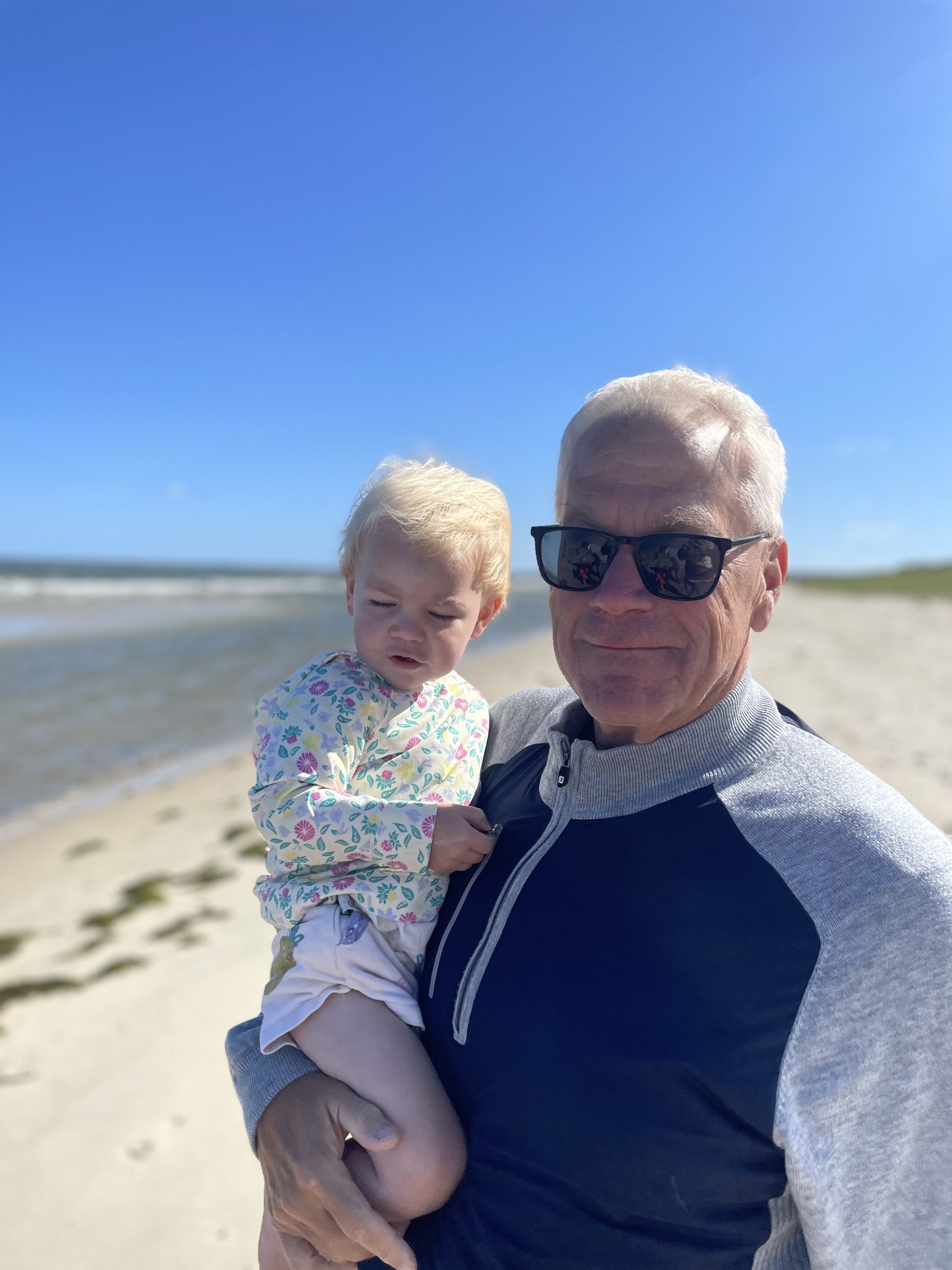 Dave is the senior pastor of Nassau Presbyterian Church, where he has served since 2000. He earned his Ph.D. in Homiletics from Princeton Theological Seminary and taught there for several years as a visiting lecturer. His scholarship focuses on preaching as a corporate act and the active role of the listener. Before coming to Princeton, he served for fourteen years as pastor of First Presbyterian Church in Blackwood, New Jersey.
Dave is the author of A Kingdom You Can Taste and Lord, Teach Us to Pray and has served on the boards of the Presbyterian Foundation and the Princeton YMCA. He has preached widely in the U.S. and internationally, including in South Africa and Scotland, as well as at the Calvin Symposium for Worship and on the campuses of Harvard and Duke.
A native of Pittsburgh, Dave is married to Cathy Cook Davis, also a Presbyterian minister. They have two children, Hannah and Ben, and two grandchildren, Franny and Maddy.
January 18 | Christianne Bessières Lane
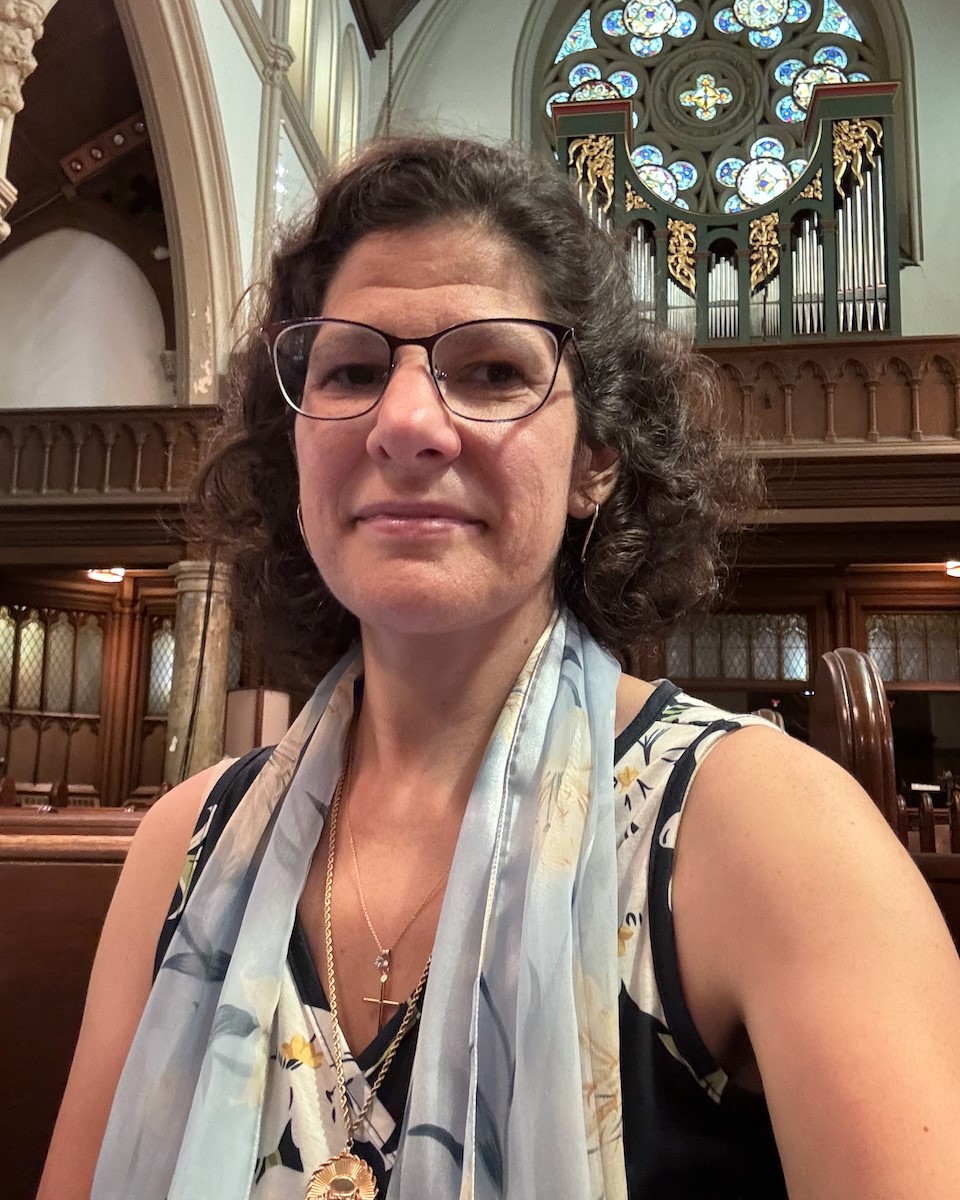 Christianne is a mom, wife, and musician. She with her flutist husband, John, has been a member of Nassau Presbyterian Church since 2003, and sang in the Adult Choir for several years before the gifts of her two children. Now that her children are in school, she gratefully uses her gifts to create more music to serve God and beautify the world. Christianne has developed a musical and spiritual practice of creating rounds or canonic settings of biblical and other religious texts.
January 25 | Sarah Berliner
 Conversations with Mary Bess Clark, Doodie Meyer, Nancy Prince, and Carol Wehrheim

Sarah is a junior at West Windsor Plainsboro High School South. She enjoys playing field hockey and lacrosse. An active member at Nassau, Sarah participates in youth Fellowship, singing in Cantorei, helping with Carol Choir, and is on the Youth Ministry Committee.
#MissionMonday – Homeworks Trenton
 The Gift of Academic Enrichment

During Advent, we are spotlighting some of our amazing partners that you can support through Nassau’s Alternative Gifts Market!
This week, we celebrate the work of Homeworks Trenton. Homeworks combines public school education with a boarding school experience for girls in Trenton, keeping scholars within their communities and supporting their growth as leaders and learners. At the Alternative Gifts Market, you can honor a loved one with a gift to Homeworks Trenton and make a difference this holiday season.
Follow Homeworks online:
|
 |
Holding It Together
Colossians 1:15-20
December 14
David A. Davis
Jump to audio
The storyteller Garrison Keillor once wrote of an experience of table grace at a family gathering before a holiday meal. “Uncle Al dinged his glass”, Keillor writes, “and announced that we were going to return thanks now…Then he said, ‘Carl, would you return thanks?’ Uncle Carl stood up and cleared his throat. Uncle Carl was the last person you would ask to pray. For one thing, he prayed longer than anybody else in the church, where prayers tended to cover a lot of theological ground and touch on all the main points of faith. Carl was endless. Scripture said, ‘Pray without ceasing,’ and Carl almost succeeded. He could pray until food got moldy. And what was worse, when Carl came to the part of the prayer where he thanked God for sending God’s only begotten Son, Jesus Christ, to die on the cross as a propitiation for our sins, Carl always wept.
“Carl had wept in prayer for many years,” Keiller goes on to tell. “Either he never got over Jesus’ death the way the rest of us had, or else it was just a bad habit he couldn’t stop. He always stood and cried, helpless, his shoulders shaking. He was a sweet man with tidy hair, oiled, with comb tracks in it, a dapper dresser who favored bow ties—a good uncle, and it was painful to sit and listen to him cry.
“He stood, and we stirred in our seats uneasily. I peeked at my fiancée and saw that she had already put a big dab of squash on her plate. She was not accustomed to table grace. I couldn’t imagine she would be ready for Uncle Carl. Carl spoke in a clear voice….thanking God for the food, for each other, for this day, and for sending the only begotten Son, Jesus to die on Calvary’s cross, and he started to sob, such a wrenching sound, his awful weeping, especially because he tried to keep talking about Jesus, and the words would hardly come out. He stopped and blew his nose, and we all, one by one, started to get weepy. My fiancée wept. I cried. We all cried. I don’t think we wept for Jesus as much as from exhaustion.”
Traditions and practices abound when it comes to “returning thanks” in the days ahead. For some, there is the designated prayer person who “returns thanks” every time the family gathers for a holiday meal. Others might practice going around the table for everyone to offer a word of gratitude. Some gatherings might feature a particular unison prayer passed on from generation to generation. Still others might look to sing the doxology or another table grace learned in church school. In the Cook Davis family, returning thanks often sounded like this while holding hands: “God our Father and our Mother, once again, once again, we will ask a blessing, we will ask a blessing. Amen. Amen. Amen. AH!” Other times it was saying the end of Psalm 27 in unison: “Wait for the Lord, be strong, let your heart take courage, yay, wait for the Lord.”
Maybe when “returning thanks” in the days ahead, we could all take a page out of Uncle Carl’s prayer. Not necessarily with the length or the weeping or the shaking soldiers. But the part that comes in “returning thanks” to God for the One who holds it all together. Returning thanks to God for God’s only begotten Son. “The image of the invisible God, the firstborn of all creation.” The Apostle Paul’s words here in Colossians, his soaring words describing Jesus, read like a poem, a prayer, a hymn. “In him all things in heaven and on earth were created, things visible and invisible, whether thrones or dominions or rulers or powers—all things have been created through him and for him. He himself is before all thing,s and in him all things hold together.”
The Word who was in the beginning. The Word who was with God and was God. The Word without which not one thing came into being. The Word who brings life and the light of all people. That Light, the Light that shines whenever, wherever, darkness seeks to prevail. That Light that the ever-present darkness can never overcome. In and through the Word, the Light, all things hold together. The world came into being through this One Joseph named Jesus because he would save God’s people from their sin. The One Mary magnified with her song and pondered, treasured in her heart. This Word, this Light, this Life creating One, who gives the power for us, for you, and me to become children of God. And that is who we are. “He is the head of the body, the church; he is the beginning, the firstborn from the dead, so that he might have first place in everything.”
The Christ who alone is head of the church. The Great Shepherd of the Sheep, who in the power of the Holy Spirit and by his grace calls the church to be the body of Christ for one another so that together we can be his body in and to and for the world. This cosmic Christ sets before us an open door that no one is able to shut. The One who promises to stand at the door knocking so that we can open the door and eat with him, and he with us. First place in everything. First place in everything. The Alpha and Omega, who is God with us. God for us. He holds it all together.
The Teacher who transformed the law and embodied the prophets and told parables. The Teacher who blessed the poor and those that mourn, the meek and those that hunger and thirst for righteousness, the merciful and the pure in heart and the peacemakers and the persecuted. He holds it all together. The Great Physician who healed the sick and anointed those so tormented. The Savior who welcomed children and ate with sinners and embraced the broken and touched the dying. The Messiah who chose tax collections instead of the most religious, who turned obligation into a joyful feast, who threatened the powerful and the empire with a vision of the world where the first shall be last and the last first, where power is defined by servanthood and leadership is displayed in an endless concern for the other and divine wisdom is revealed by a cross.
The Suffering Servant who stared down the forces of evil and called out life from death’s tomb and stood up to all who work for destruction, all who yearn to subvert the way of peace. The Son of God was born from Mary’s womb, born in the very flesh that speaks of our mortality. His own flesh scarred forever. His own anguish and suffering seared in the memory of God. He holds it all together. The Balm of Gilead, who, even in death, reached to embrace those who hated him most, plunging the very depth of humanity’s distance from God. The Risen Christ who rose victorious from the grave, the Victor of life, and eternity, the Lord of Lords, the King of Kings. “In him all the fullness of God was pleased to dwell, and through him God was pleased to reconcile to Godself all things, where on earth or in heaven, by making peace by the blood of his cross.” Yes, he holds it all together.
Returning thanks for the One who holds it all together. The One whose love won’t let you go. Uncle Carl. The Apostle Paul. And the ancient hymn of the church.
Let all mortal flesh keep silence
And with fear and trembling stand
Poner nothing early minded,
For with blessing in His hand,
Christ our God descendeth
Our full homage to demand.
Returning thanks with the full homage of our lives. Our lives as a hymn of praise. Thriving yet again on the forgiveness of the Savior and living into the abundant life the Bestower of grace upon grace offers. Tasting of his unconditional, undying love while seeking a depth of relationship with him that redefines life’s purpose. Discovering over and over again that as a child of God created in God’s image, we are called to serve others and bear witness to that divine promise of steadfast mercy and overflowing compassion and everlasting life. Seeing his very face in those who suffer, and the long-silenced, and the unseen. Yearning for his wisdom in understanding and yes, loving and caring for those the world wants us to hate or worse. The total praise of life in his name. Following, listening to, looking to the one who bore in his flesh the fullness of God and basking in the fullness of God’s love revealed in the One who holds it all together.
Returning thanks and never forgetting, always remembering that the Victorious, Risen, Triumphant Christ who holds it all together, holds you and you and you forever the very heart of God.
To God’s Ears
Isaiah 11:1-9
December 7
David A. Davis
Jump to audio
“Sing of a Savior.” That is our theme for worship this Advent. Each Sunday service is crafted around the anthem being offered by the adult choir. This morning, the choir is singing a setting of Isaiah 11, the text I just offered for your hearing, entitled Dona Nobis Pacem. Grant us Peace. From Isaiah, “A shoot shall come out from the stump of Jesse, and a branch shall grow out of his roots. The spirit of the Lord shall rest on him.” Discerning wisdom. Strong counsel. Knowledge that drips with the fear of the Lord. Delight in the worship of God. “He shall not judge by what his eyes see, or decide by what his ears hear.” The poor judged with righteousness. Fairness shall abide with the meek. Evil and wickedness upon the earth will be brought to ruin by his word and by his breath. Word and Spirit. Righteousness and faithfulness will surround him. “The wolf shall live with the lamb, the leopard shall lie down with the kid, the calf and the lion and the fatling together and a little child shall lead them.” Cows and bears will graze in the same place. The young animals will curl up together. Even the lion will eat straw. The nursing child, the weaned child, will play with the most dangerous of snakes. “They will not hurt or destroy on all my holy mountain; for the earth will be full of the knowledge of the Lord as the waters cover the sea.”
Reading Isaiah can be like listening to a symphony, a cantata, or a concerto. An attentive audience can hear how a composer works the melody and the harmonies throughout the piece using different instrumental sections. That recurring melody is becoming more and more familiar in the listener’s ear. That’s how it is with Isaiah’s song.
The people who walked in darkness
have seen a great light;
those who lived in a land of deep darkness—
on them light has shined….
For a child has been born for us,
a son given to us;
authority rests upon his shoulders,
and he is named
Wonderful Counselor, Mighty God,
Everlasting Father, Prince of Peace.
Great will be his authority,
and there shall be endless peace
for the throne of David and his kingdom.
He will establish and uphold it
with justice and with righteousness
from this time onward and forevermore.
-Isaiah 9
For I am about to create new heavens
and a new earth;
the former things shall not be remembered
or come to mind….
No more shall there be in it
an infant who lives but a few days
or an old person who does not live out a lifetime…
They shall build houses and inhabit them;
they shall plant vineyards and eat their fruit.
They shall not build and another inhabit;
they shall not plant and another eat,
for like the days of a tree shall the days of my people be….
Before they call I will answer,
while they are yet speaking I will hear.
The wolf and the lamb shall feed together;
the lion shall eat straw like the ox,
but the serpent—its food shall be dust!
They shall not hurt or destroy
on all my holy mountain,
says the Lord.
-Isaiah 65
Isaiah 9, 11, 65, and of course more. Isaiah’s song. Isaiah’s attentive audience can hear how the prophet works the melody and the harmonies throughout the book. That recurring melody is becoming more and more familiar in the listener’s ear. Of course, for Isaiah and the rest of the Hebrew prophets, it was never about an audience. Prophets don’t look for spectators. They don’t put out the call for religious onlookers. With his kingdom song, Isaiah is calling, creating, shaping, pruning, sending a kingdom people. The tradition labels Isaiah’s song “the peaceable kingdom”. The prophet’s peaceable kingdom song for God’s kingdom people.
Edward Hicks was the early 19th-century Quaker who created the famous paintings of “The Peaceable Kingdom”. I use the plural because Hicks actually painted more than 60 different versions of “The Peaceable Kingdom”. Hicks was born in Bucks County, PA. According to art historians, Hicks encountered pushback in his Quaker meeting because of his “worldly indulgence,” which was in conflict with Quaker values. He actually gave up painting and tried to be a farmer, but it didn’t go so well. According to Victoria Emily Jones in an article posted to the website Art and Theology, Hicks struggled with the relationship between his passion for painting and his passion for faith. He opened his painting shop and became a Quaker minister serving a meeting in Newtown.
I have shown you Hicks’s work in a sermon before. But, with Noel Werner selecting the Isaiah passage for this second Sunday of Advent, I thought coming back to Edward Hicks and his “peaceable kingdoms” was appropriate. What you are looking at is one of Hick’s earlier works now in the Yale University Art Gallery. The child Jesus is prominent there among the animals. To the lower left, Hick’s portrays a group of Quakers marching with a banner that quotes the angel’s pronouncement to the shepherds in Luke: “Peace on earth and goodwill to men.” Hicks pairs Isaiah’s vision with a worshipful march offering praise and adoration to the birth of the Christ Child, the Prince of Peace.
This 1834 painting of “The Peaceable Kingdom” resides in the collection of the National Gallery of Art in Washington, DC. The portrayal is more familiar if not more famous. The eye, of course, is drawn to the three children and the animals, all of whom have no focus to the lower left. Instead of pairing the prophet’s word picture with the angel proclamation of the coming Christ Child, in this painting, Hicks’s pairs Isaiah with a depiction of William Penn and colleagues in a peaceful, maybe even worshipful gathering with indigenous people along the banks of the Delaware River. It would have been members of the Lenape tribe who occupied the land there in Bucks County and the land where we gather this morning. You and I know that the aspirational portrayal of a peaceful gathering with indigenous people along the Delaware River drips with irony and unfulfilled hope. Later in his life, Hicks wrote about his own growing cynicism that the realities of life had destroyed his hope that he would ever see the peaceable kingdom in the here and now. One wonders whether multiple efforts at painting the peaceable kingdom were part of that journey of his. Hicks also wrote that his disappointment only led him to cling to Christ and Christ’s promise more and more.
Perhaps part of the legacy of the work of Edward Hick’s is an affirmation that humanity has never learned the things that make for peace. As Jesus said when he wept over Jerusalem, “If you, even you, had only recognized on this day the things that make for peace.” (Luke 19:42) Nonetheless, Hicks’s Quaker-influenced theological point should not be tossed away. It is a visual depiction of the prophet’s “already and not yet.” While waiting for that promised glorious kingdom to come, God’s kingdom people are called to point to, work for, shout out, and claim the reign of God now. That sounds like Advent to me. On the one hand, Isaiah’s song is sort of the soundtrack of a lifetime of Christmas Eves. Isaiah’s song played in the pageantry of a Christmas Eve full of carols and hymns and candlelight. But on the other hand, singing the song, singing of a Savior in Advent, offers a different takeaway. It is a vision of Christ’s promised kingdom, casting a light on and transforming humanity’s world so full of darkness. The peacefulness of God’s new creation yet to come spilling into the world, you and I see all around us. The eternal hope of Christ’s glorious kingdom gives perspective to the present reality. Singing Isaiah’s song in Advent comes with some umph, with urgency, even volume, while clinging to Christ and Christ’s promise more and more. Pretty much holding on for dear life and singing Isaiah’s song as a plea, a prayer. Begging Isaiah, your lips to God’s ears, Isaiah! To God’s ears!
Sometimes the song of Isaiah comes right from the scriptures page. Sometimes, in sublime beauty, like the setting of Dona Nobis Pacem, grant us peace. Other times, the vision is communicated with the subtlety of brush strokes and interpretation, art history, and the proclamation of God’s people. Isaiah’s message comes to us in many ways, but now and then, and especially right now, and right then, God’s kingdom people have to shout “your lips to God’s ears”.
The poor bathed in righteousness. The meek showered with fairness. Evil and wickedness plundered. Righteousness. Faithfulness. “The wolf shall live with the lamb, the leopard shall lie down with the kid, the calf and the lion and the fatling together, and a little child shall lead them….They will not hurt or destroy on all my holy mountain; for the earth will be full of the knowledge of the Lord as the waters cover the sea.” And yes, it’s about more than our shout because prophets aren’t interested in an audience who just sit and shout. Prophets aren’t interested in a litany of “thoughts and prayers”. Prophets aren’t interested in self-absorbed pietists who have concluded that Christ’s promise of salvation is just about their punched ticket to eternity. Prophets call people to do justice, and to love kindness, and walk humbly with their God. Prophets inspire people to let justice roll down like waters and righteousness like an ever-flowing stream. Prophets tell of the Messiah, the Savior, the Son of God who stood up in the temple and unrolled the scroll of the prophet Isaiah and read, “The Spirit of the Lord is upon me, because he has anointed me to bring good news to the poor. He has sent me to proclaim release to the captives and recovery of sight to the blind, to let the oppressed go free, to proclaim the year of the Lord’s favor.” (Luke 4:18-19). Prophets are about pruning, shaping, sending, creating, empowering, inspiring, encouraging, calling, a kingdom people. God’s kingdom people who pray and plea and shout “your lips to God’s ears….Isaiah! ”
People of God, we are clinging to Christ and Christ’s promise more and more.
And we are going to shout, so God can use us.
We’re going to live, so God can use us.
We’re gonna work, so God can use us.
We’re going to pray, so God can use us.
We’re going to sing, so God can use us
To God’s ears
Dona Nobis Pacem.
#MissionMonday – Woman, Cradle of Abundance
We celebrate the work of Woman, Cradle of Abundance
 During Advent, we will be spotlighting some of our amazing partners that you can support through Nassau’s Alternative Gifts Market!
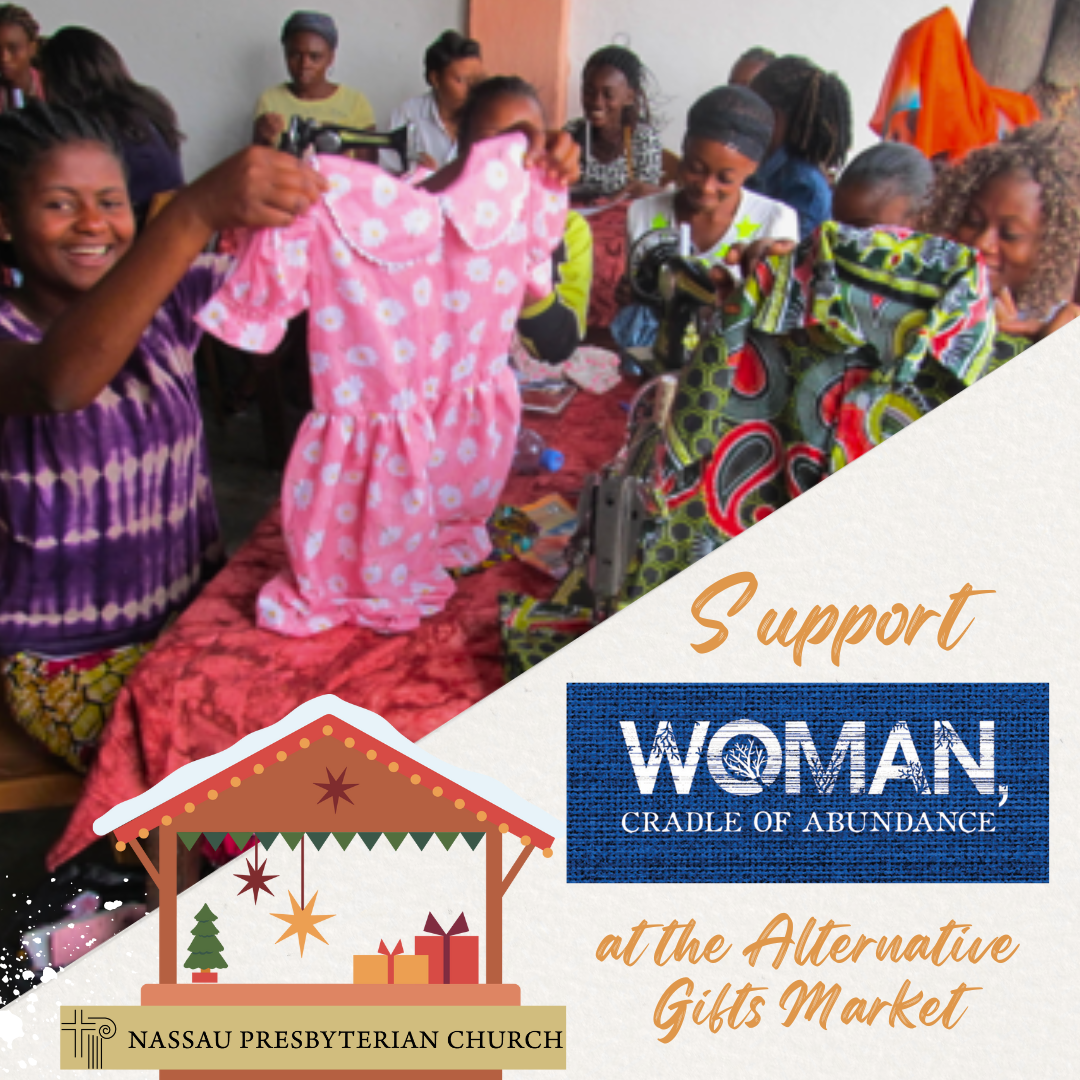
Woman, Cradle of Abundance empowers women and girls in the Democratic Republic of Congo through microloans, education, health and safety programs, and more. Their work is essential right now as conflict impacts Congo and its people. At the Alternative Gifts Market, you can honor a loved one with a gift to Woman, Cradle of Abundance and make a difference this holiday season.
Follow Woman, Cradle of Abundance online:
|
|